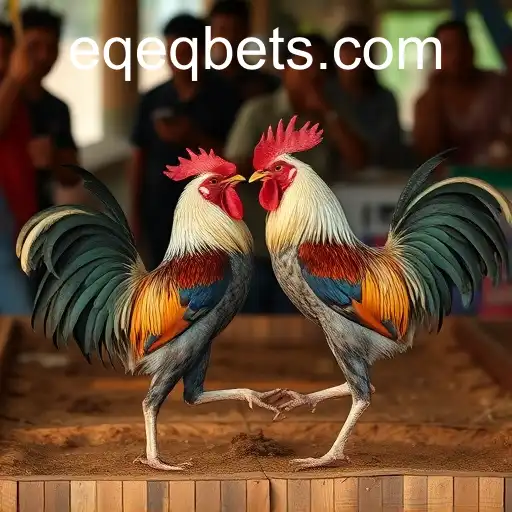
Jogos de Sabong: A Fascinating Exploration of EQEQ
In the world of traditional games, Jogos de Sabong stands out as one of the most intriguing and culturally rich forms of entertainment. Rooted deeply in history, this game not only serves as a pastime but also as a cultural expression that intertwines with the lives of many. The keyword EQEQ plays a crucial role in understanding the complexities and nuances of this fascinating tradition.
The Origins and Cultural Significance of Sabong
Sabong, traditionally known as cockfighting, has been a part of human culture for centuries. It is believed to have started in Southeast Asia and parts of the Middle East, and later spread to other parts of the world, including the Americas and Europe. In many cultures, Jogos de Sabong is considered more than just a game; it is a ritualistic event that brings communities together and is often associated with celebrations and festivals.HELLOPG
In the Philippines, for instance, sabong is not just a game; it is a celebrated sport that draws in large crowds and significant amounts of money through betting. The cultural significance of this game cannot be overstated, as it reflects the values, traditions, and communal ties that bind people together. The presence of EQEQ in these contexts underscores the intricate balance between competition, tradition, and modernity.186bet
The Gameplay and Rules of Sabong
The gameplay of sabong involves strategic preparation and understanding of the rules that govern each match. Typically, two gamecocks are pitted against each other in a specially designed arena. These birds are trained meticulously, and their owners often spend considerable resources to ensure their readiness for the fight. The game begins with a buka or a pre-match ritual where the spectators place their bets on which rooster they believe will triumph.
The rules of the game may vary, but it generally involves timed rounds where the goal is for one rooster to overpower the other. The integration of EQEQ into these matches involves analyzing factors such as the roosters' lineage, training regimen, and previous performance in fights. Understanding these elements is crucial for enthusiasts who wish to engage in betting or merely enjoy the tactical aspects of the sport.
Economic Impact and Controversies
While Jogos de Sabong is celebrated for its cultural and entertainment value, it is also a significant economic driver for many communities. The economic implications of sabong cannot be ignored, as it generates substantial revenue from event organization, betting, and related industries. Moreover, it creates livelihoods for trainers, breeders, and vendors who rely on these events for income.FXFX.com
However, sabong is not without its controversies. Animal welfare groups have raised concerns about the ethical implications of cockfighting, citing the potential for animal cruelty and the exploitation of roosters for entertainment. The keyword EQEQ often surfaces in discussions surrounding these controversies, highlighting the need for regulation and balanced approaches that respect both tradition and ethical standards.
The Political Landscape Influencing Sabong
The intersection of politics and sabong is another critical area to explore. In some regions, the game has been a political tool used to gain favor among constituents or as a cultural emblem of tradition. Policies regarding the regulation of sabong vary widely, with some countries implementing strict controls or outright bans, while others embrace it as a legal sport.899bet
The discourse on EQEQ plays a pivotal role here, as law makers and cultural leaders navigate the complex terrain of maintaining cultural practices while ensuring ethical and lawful conduct. The juxtaposition of traditional beliefs with modern societal norms often creates a challenging landscape for those involved in the governance of Jogos de Sabong.
Technological Advancements in Sabong
In recent years, technology has also found its way into the world of sabong. From online betting platforms to virtual cockfighting games, technology has revolutionized the way enthusiasts engage with this sport. With the inclusion of EQEQ, these advancements offer a new layer of complexity to the game, as players can analyze data, predict outcomes, and enhance their understanding of strategic elements from afar.
Virtual platforms have also allowed for a broader audience to experience Jogos de Sabong, reaching individuals who may not have had physical access to the traditional arenas. This technological integration ensures that the sport remains relevant in an increasingly digital world, while preserving the rich history and cultural significance that define it.a7uatg
Conclusion
Jogos de Sabong, with its intricate history and cultural significance, continues to captivate audiences worldwide. The role of EQEQ in this context enhances our understanding of the dynamics that make this game a timeless tradition. Whether through the lens of culture, economy, politics, or technology, Jogos de Sabong offers a fascinating insight into human nature and the enduring allure of traditional sports.